

Will the FOMC Raise the Fed Funds Rate on September 16?
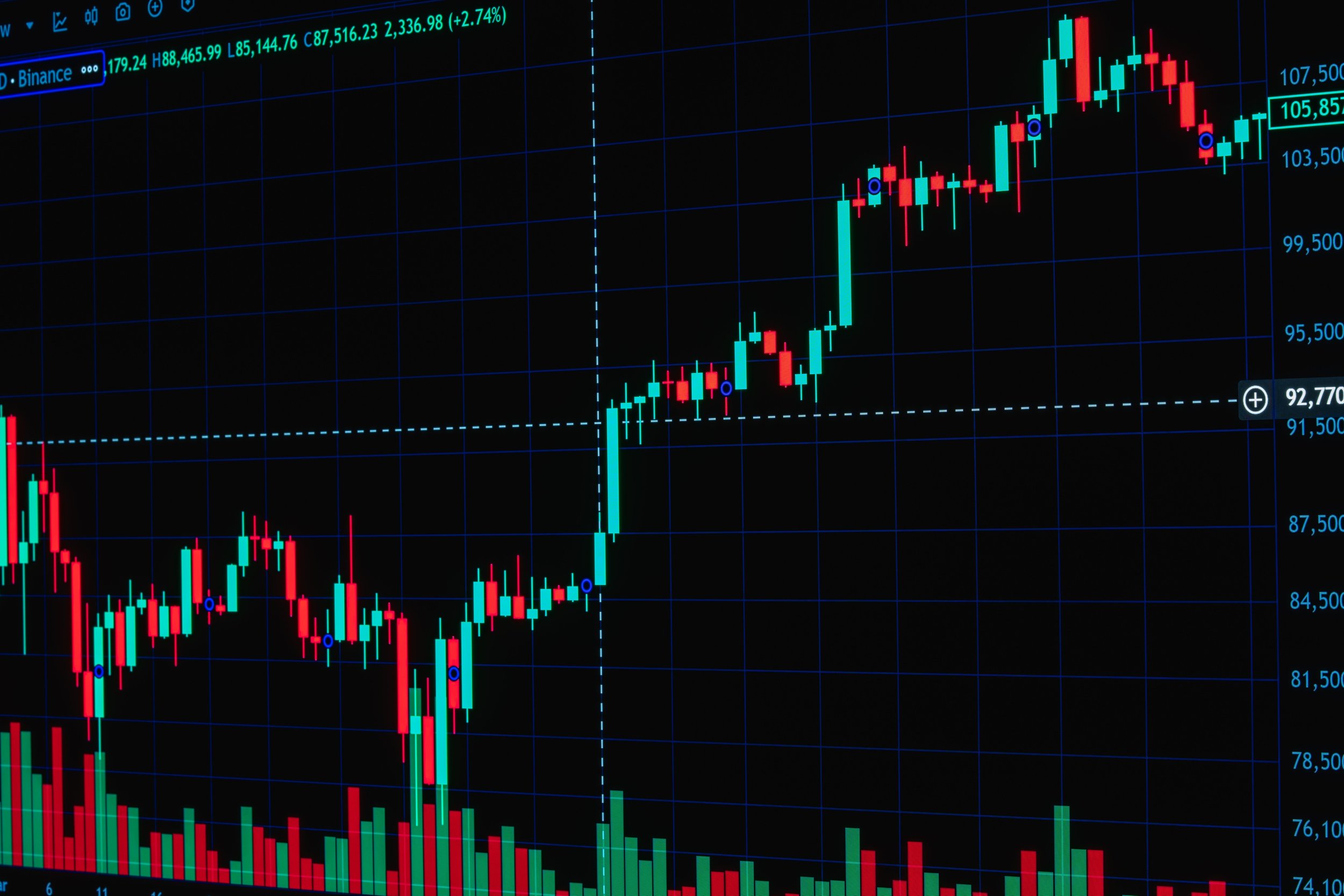
Quick answer: I’d put the odds of an FOMC rate hike on September 16 at roughly 55–60% … so a hike is slightly more likely than a hold, but it’s far from certain. The pivot is Friday’s August CPI (Consumer Price Index; the main inflation gauge): the Fed is essentially waiting on that number before it decides. The fed funds rate is the Fed’s benchmark short-term interest rate, and the FOMC is the committee that sets it.
Key takeaways
My base case: a 25-basis-point hike, but only modestly favored — ~55–60% hike vs. ~40–45% hold (a 50-bp move is essentially off the table). A basis point is 1/100th of a percentage point, so 25 bp = 0.25%.
The case for a hike has strengthened: August payrolls (jobs added) came in at 162,000, well above expectations, with unemployment at 4.1%.
The counterweight is Governor Christopher Waller, who has said he’d support holding if August inflation keeps moderating.
Friday’s CPI is the deciding input: a hot core reading makes a hike highly likely; a soft one tilts toward a hold.
The bigger market reaction may come from the message, not the move… the Fed’s statement and Chair Kevin Warsh’s press conference, especially any signal about December.
Quick answers
Will the Fed raise rates on September 16?
More likely than not, in my view; I’d put it around 55–60% for a 25-basis-point hike, but it hinges on Friday’s inflation data and is far from certain.
What are the odds of a September hike?
My assessment: ~55–60% for a 25-bp hike, ~40–45% for no change, and essentially 0% for a larger 50-bp move.
Why does Friday’s CPI matter for the decision?
It’s the last major inflation reading before the meeting. A hot core CPI makes a hike highly likely; a soft one makes a hold more likely.
What should investors watch on decision day?
Not just the rate move, which is largely anticipated — watch the statement and Warsh’s press conference for whether the Fed signals another hike in December.
What are the odds of a September 16 hike?
As of early September, here’s how I’d handicap the decision:
25-bp hike: ~55–60%
No change: ~40–45%
50-bp hike: essentially 0%
So a hike is slightly more likely than a hold… but this is genuinely a close call, and the number that resolves it lands two business days before the meeting.
Why has the case for a hike strengthened?
The labor market has done the heavy lifting. August payrolls increased 162,000, well above expectations, while unemployment held at 4.1%. Markets moved toward pricing a September hike on the back of it, and UBS now expects hikes in both September and December. A resilient jobs market gives the Fed room to keep tightening if inflation doesn’t cooperate.
What’s the counterargument for holding?
There’s a real one. Fed Governor Christopher Waller has said he would support leaving rates unchanged if August inflation continues to moderate. His comments recently pushed the market’s probability of a September hike back down toward 50%. That’s the tension going into the meeting: strong jobs argue for a hike, cooling inflation argues for patience.
Why is the September 11 CPI the pivot?
I’d think about Friday’s CPI roughly like this:
August CPI result
My expectation for Sept. 16
Hot CPI / core ≥ 0.3% month-over-month
Hike becomes highly likely
Core around 0.2%
Very close call
Core ≤ 0.1%
Hold becomes more likely
In other words, the inflation print doesn’t just inform the decision, under a genuinely 50/50 setup, it may effectively make it. I’d consider this CPI one of the most important economic releases of the year.
What about oil and Treasury yields?
There’s a complication working against a hold: oil has moved above $100 a barrel, putting renewed upward pressure on headline inflation and on Treasury yields (the return investors demand to hold government bonds). The 10-year Treasury yield, the benchmark long-term borrowing rate — is now around 4.8%, which itself tightens financial conditions (makes borrowing and funding more expensive across the economy) even before the Fed acts.
What matters more: the hike or the message?
Here’s the part I think investors underappreciate. The market is already anticipating a meaningful probability of a hike, so the 25-bp move itself may not be the main event. The bigger market reaction may come from the Fed’s statement and Kevin Warsh’s press conference — specifically, whether they signal another hike in December.
What would each outcome mean for markets?
If the Fed hikes and signals another hike in December, I’d expect significant pressure on long-duration bonds (whose prices fall most when rates rise), high-P/E technology stocks (companies priced at a high multiple of earnings, whose value leans on distant future profits), small caps, and other rate-sensitive assets.
If CPI is soft and the Fed holds, that could produce a substantial relief rally — a sharp bounce as the market prices out the tightening it had feared.
My base case — and how I’m watching it at Christie-Cox
I currently lean toward a 25-basis-point hike on September 16, but only modestly. For the high-net-worth families I work with, the point isn’t to call the move, it’s to recognize that with the decision this close and this data-dependent, the risk sits in the message as much as the move. I’m watching Friday’s CPI, the 10-year yield, and the tone of Warsh’s press conference together, and making sure portfolios aren’t quietly positioned for one outcome the market is only 55–60% sure of. If you’d like to talk through how yours is positioned ahead of the meeting, talk with our team.
This article is for informational and educational purposes only and reflects the author’s views as of September 2026. It does not constitute investment, tax, or legal advice, nor a recommendation to buy or sell any security. Third-party forecasts are attributed to their sources and are not endorsements. Probability estimates are the author’s own assessments, are inherently uncertain, and are not guarantees of future outcomes. Markets carry risk, including the possible loss of principal. Consult a qualified financial professional before making investment decisions.
Post 1 — the call (post over the weekend / Monday, ahead of Tuesday)
The Fed decides Tuesday, and I’m going to put a number on it: I lean toward a hike. Roughly 55–60%.
A hike is slightly more likely than a hold… but this is a genuine coin-flip, and one report decides it.
What tipped me: August payrolls came in at 162,000, well above expectations, with unemployment at 4.1%. A jobs market that strong gives the Fed room to keep tightening.
The counterweight is Governor Waller, who’d hold if inflation keeps cooling. So Friday’s CPI effectively casts the deciding vote before the Fed even meets.
My full odds and scenarios are up now, linked in the comments.
Post 2 — the contrarian angle: the move isn’t the story
Everyone’s asking “will the Fed hike Tuesday?” I think that’s the wrong question.
The market is already pricing a real chance of a 25-basis-point hike. So the move itself may be a non-event. The bigger reaction will come from the message… the statement and Kevin Warsh’s press conference.
The thing to listen for isn’t September. It’s December.
If the Fed hikes AND signals another hike to come, that’s when long-duration bonds, high-multiple tech and small caps feel it. A hike that’s framed as “one and done” is a very different market than a hike that opens the door to more.
Post 3 — what it means for you
Two paths into Tuesday’s Fed decision, and it’s worth knowing which one your portfolio is leaning on:
Path 1. Hike + a signal of more to come: pressure on long-duration bonds, high-P/E tech, small caps, and other rate-sensitive assets.
Path 2. Soft CPI Friday and the Fed holds: room for a substantial relief rally.
I lean modestly toward a hike (~55–60%). But I’m not positioning for certainty…with the odds this close, the goal is a portfolio that doesn’t need a specific outcome to be OK.
That’s the whole point of doing this work before the meeting, not after.