Luxury Collectibles (Cars, Wine, Watches): Passion or Investment?
Luxury collectibles sit at the intersection of emotion and economics. For high-net-worth investors, they can function as both a passion asset and a portfolio diversifier; but only when approached with discipline. Cars, wine, and watches each have distinct market structures, liquidity profiles, and risk dynamics.
Within modern wealth management strategies, these “passion assets” are increasingly viewed as complementary holdings that can enhance diversification while providing tangible enjoyment.
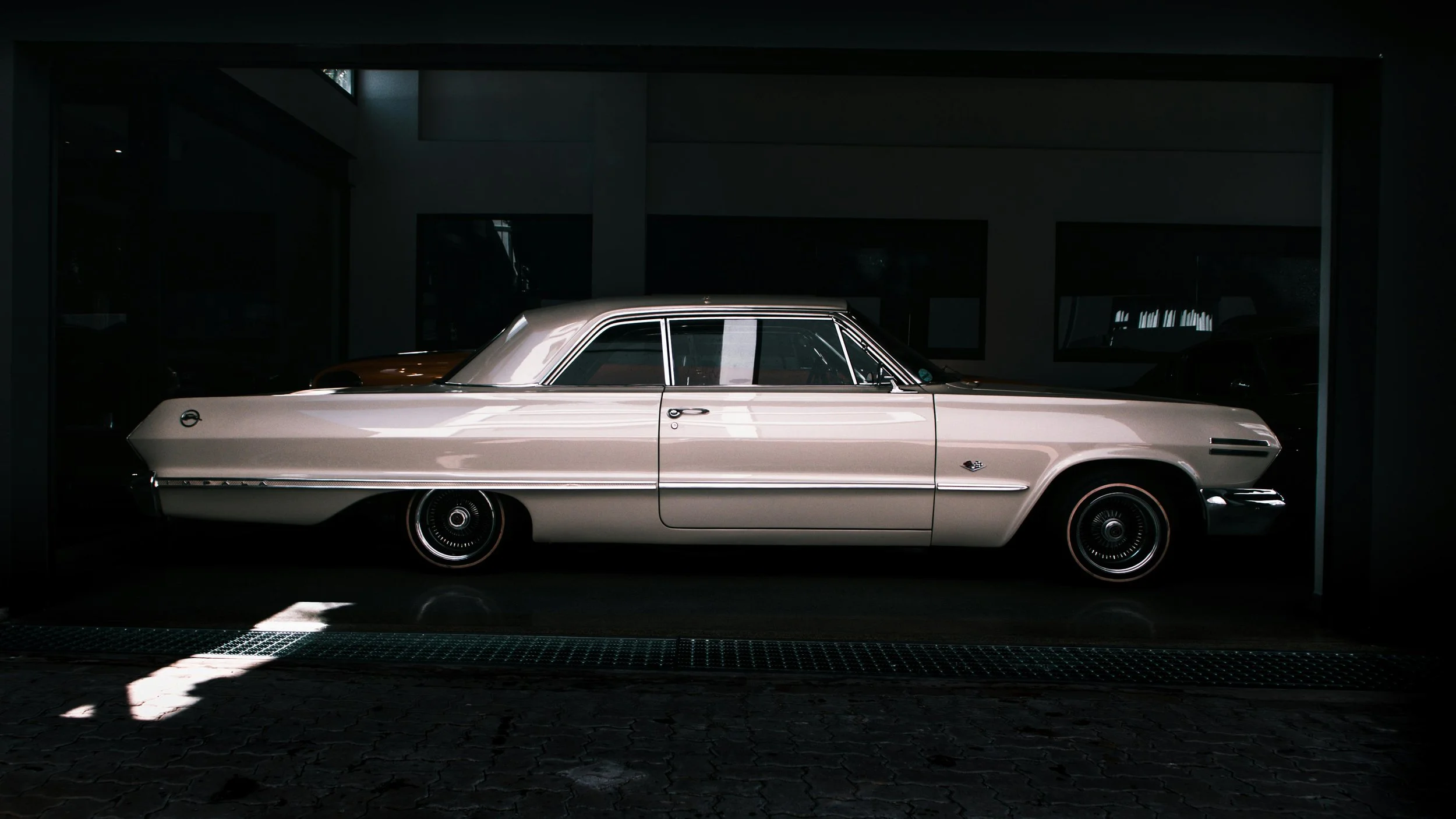
Classic & Collector Cars
The collector car market is driven by rarity, provenance, historical significance, and brand mythology. Icons such as the Ferrari 250 GTO or the Mercedes-Benz 300SL Gullwing have achieved eight- and nine-figure valuations at auction.
Investment Characteristics
Return profile: Top-tier cars have delivered strong long-term appreciation, though performance is concentrated in “blue-chip” marques.
Volatility: Cyclical; prices correlate loosely with equity markets and global liquidity.
Costs: Storage, insurance, transport, restoration, and transaction fees (often 10%+).
Liquidity: Event-driven through major auctions such as RM Sotheby's or Gooding & Company.
Investor takeaway: The market favors connoisseurship. Returns often accrue to those with deep knowledge, access to private networks, and patience.
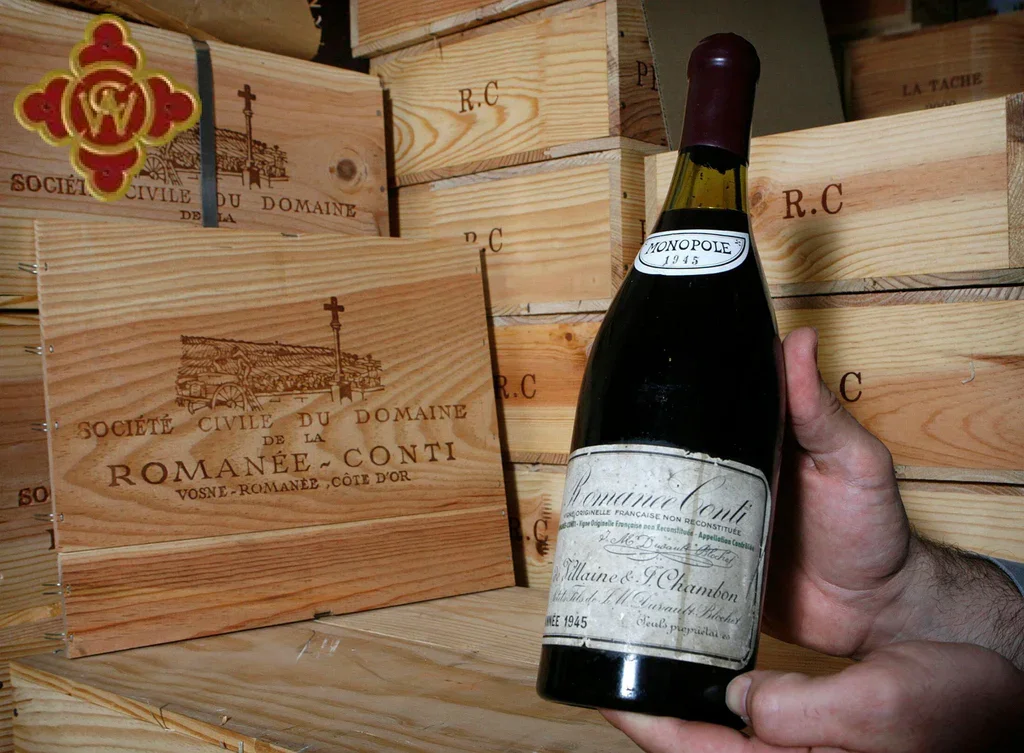
Fine Wines
Unlike cars, wine is a consumable asset; supply declines over time. Top producers such as Domaine de la Romanée-Conti and classified growth Bordeaux estates dominate the investment-grade market.
Investment Characteristics
Return profile: Historically steady with lower volatility than art or cars.
Drivers: Vintage quality, critic scores, and global demand, particularly from the U.S. and Asia.
Infrastructure: Professional storage is essential and provenance is critical.
Platforms: Auctions at Christie’s and Sotheby’s, along with exchanges such as Liv-ex.
Investor takeaway: Fine wine behaves more like a financial asset than most collectibles. Data transparency and index tracking improve price discovery, though fraud and storage risk remain concerns.

Investment-Grade Watches
Luxury watches combine craftsmanship, brand equity, and scarcity. Steel sports models from Rolex, Patek Philippe, and Audemars Piguet have seen significant appreciation over the past decade.
Investment Characteristics
Return profile: Strong 2018–2022 surge followed by a correction in 2023–2024 as speculative demand cooled.
Liquidity: Higher than cars or wine due to portability and global dealer networks.
Risks: Counterfeits, condition sensitivity, and hype-driven cycles.
Investor takeaway: Long-term value tends to reside in rare references with strong provenance rather than mass-produced hype models.
Strategic Perspective for Wealth Allocation
For sophisticated investors:
• Allocate no more than 5–10% of net worth to passion assets
• Focus on quality over quantity
• Consider collectibles as diversification and inflation-resilient assets
• Avoid leverage; these markets can freeze during liquidity contractions
• Prioritize authentication, documentation, and professional storage
Final Assessment
Luxury collectibles are rarely pure investments. They lack yield, generate carrying costs, and depend heavily on sentiment. Yet they offer something traditional financial assets cannot: tangible enjoyment and emotional return.
For disciplined buyers with expertise and long time horizons, cars, wine, and watches can complement a broader wealth strategy. For others, they are best viewed as consumption assets that may, if chosen wisely, hold or modestly appreciate in value.
For investors interested in integrating alternative assets into a broader wealth strategy, Christie Cox provides private advisory services for high-net-worth individuals and families.
To explore a confidential discovery call, reach out directly.